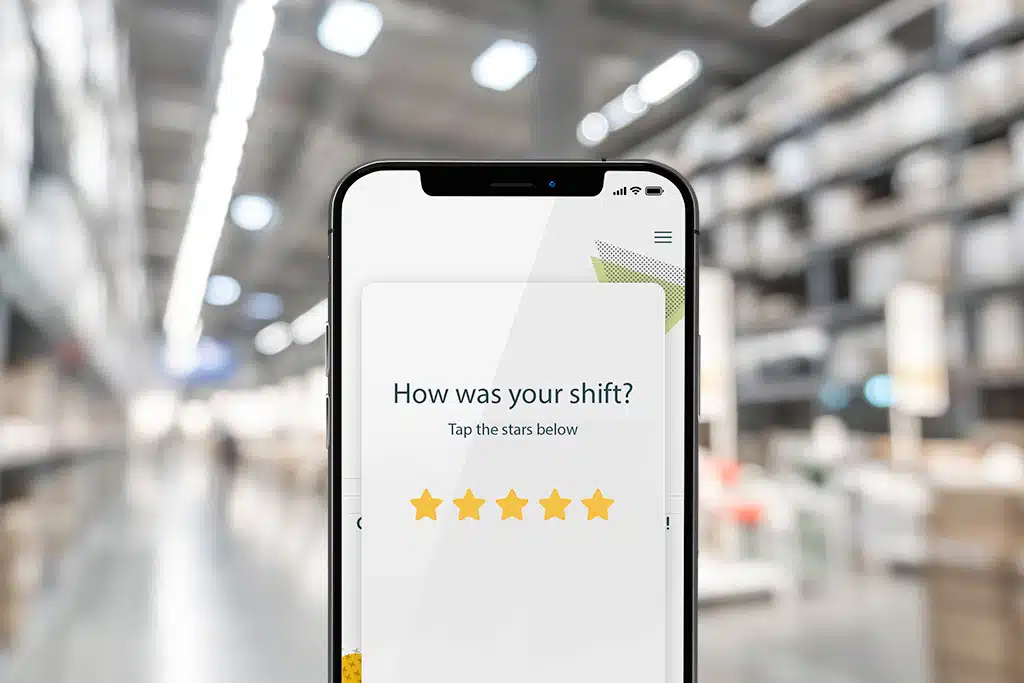
Understanding the types of employee feedback your team is sharing is essential for building a workplace where people feel heard and motivated to perform at their best. For HR leaders, managers and business owners alike, knowing what feedback to look for (and what to do with it) can be the difference between a disengaged workforce and a thriving one.
In today’s evolving workplace employee expectations are changing. People want more than just a salary; they want purpose, recognition and a voice. That’s where employee feedback becomes a powerful tool.
What is employee feedback and why does it matter?
Employee feedback is any information shared by your team about their experience at work. This could relate to leadership, culture, processes, wellbeing, or even how motivated they feel day to day.
At its best, feedback gives you a real-time view of what’s working, and what isn’t.
When businesses actively listen and respond to feedback, the impact can be significant:
- Higher employee engagement and retention
- Stronger workplace culture
- Better productivity and performance
- More effective leadership and decision-making
Put simply, feedback helps you move from guessing what your employees need… to actually knowing.

The types of employee feedback every employer should be tracking
To make feedback meaningful, it’s important to focus on the right areas. Here are some of the most valuable types of employee feedback to track and why they matter.
1. Employee experience feedback
This is the big picture. Employee experience feedback captures how people feel about working at your company overall, from culture and communication to work-life balance. It often surfaces in engagement surveys or pulse checks, and it’s one of the strongest indicators of retention risk.
If employees consistently highlight issues around workload, lack of recognition, or poor communication, it’s a clear signal that something needs to shift.
2. Feedback on management and leadership
People don’t leave companies, they leave managers. That’s why feedback on leadership is critical. This type of feedback helps you understand:
- How approachable managers are
- Whether expectations are clear
- If employees feel supported and acknowledged
For businesses looking to strengthen leadership capability, this feedback is invaluable. It also helps identify high-performing managers who can set the standard for others.
3. Process and workplace protocol feedback
Sometimes, the biggest frustrations come from the smallest inefficiencies. Feedback on internal processes, whether that’s systems, workflows or policies, highlights where employees are experiencing friction in their day-to-day roles. This could include:
- Overly complex approval processes
- Outdated tools or systems
- Inefficient ways of working
Addressing these issues doesn’t just improve employee satisfaction, it boosts productivity across the business.
4. Health, safety and wellbeing feedback
In the majority of workplaces, employee wellbeing is now firmly on the agenda. This goes beyond physical safety to include mental health, stress levels and overall wellbeing.
Employees need to feel safe raising concerns, whether it’s workload pressure, burnout, or workplace conditions. Tracking this type of feedback allows businesses to take proactive steps to support their people, reduce absenteeism and create a healthier working environment.
5. Skills gaps and development feedback
Your employees are often the first to know where they need support. Feedback around skills, training and development helps you identify:
- Knowledge gaps within teams
- Opportunities for upskilling
- Career progression concerns
When employees feel invested in and supported in their growth, engagement naturally follows.
6. 360-degree and peer feedback
360-degree feedback provides a more rounded view by gathering input from peers, direct reports and managers. It’s particularly useful for:
- Leadership development
- Building self-awareness
- Encouraging a culture of openness
When done well, it helps employees understand how they’re perceived across the business, not just from one perspective.
7. Lifecycle feedback (onboarding, engagement and exit)
Employee feedback shouldn’t just happen once a year. It should be captured across the entire employee journey. This includes:
- Onboarding feedback – Are new hires set up for success?
- Ongoing engagement feedback – How are employees feeling right now?
- Exit interview feedback – Why are people leaving?
Exit feedback, in particular, can reveal patterns that might otherwise go unnoticed.
8. Feedback on rewards, recognition and benefits
One often overlooked but hugely impactful area is how employees feel about their rewards and recognition.
Do employees feel appreciated? Are benefits meaningful and relevant?
This is where businesses can make a real difference. Thoughtful, tailored rewards, such as experience-based incentives, can significantly boost morale and engagement, while also creating memorable moments that employees genuinely value.

How can businesses collect employee feedback effectively?
Understanding the types of employee feedback is one thing, collecting it effectively is another. The most successful businesses use a mix of methods to ensure they’re capturing honest, useful insights.
Regular pulse surveys are a great starting point, allowing you to track sentiment over time without overwhelming employees. Anonymous feedback tools can also encourage more open and honest responses, especially when discussing sensitive topics. One-to-one meetings remain incredibly valuable too. Managers who create space for open conversations often uncover insights that wouldn’t surface in a survey.
Focus groups and workshops can help explore specific issues in more depth, while digital platforms make it easier than ever to gather real-time feedback across distributed teams. The key is consistency. Feedback shouldn’t be a one-off exercise, it should be part of your ongoing culture.
Why tracking and measuring employee feedback matters
Collecting feedback is only half the story. The real value comes from tracking it, monitoring trends, and most importantly taking action. Employers who handle employee feedback data effectively see 14.9% lower turnover rates.
When businesses measure feedback over time, they can:
- Identify recurring issues and address root causes
- Track the impact of changes or initiatives
- Benchmark engagement across teams or regions
- Make more informed, data-driven decisions
But perhaps most importantly, acting on feedback builds trust. When employees see that their voices lead to real change, they’re far more likely to stay engaged and continue contributing.

Turning feedback into meaningful action
Ultimately, feedback is about connection. It’s about understanding what your people need and responding in a way that shows you’re listening.
For many companies, that response includes rethinking how they show recognition to employees. Experiences, for example, offer something more personal and memorable than traditional incentives, helping businesses create moments that truly resonate.
At Virgin Incentives, we see first-hand how meaningful rewards can support employee engagement strategies, particularly when they’re shaped by real employee insight.
Final thoughts
The workplace is constantly evolving, and the businesses that thrive are the ones that listen. By focusing on the right types of employee feedback, businesses can build stronger relationships with their people, create more engaging environments, and ultimately drive better results.
Because when employees feel heard, they don’t just stay, they perform. Get in touch with our friendly team below to find out more about our range of memorable experiences and rewards which are perfect for employee engagement and reward strategies: