The way we work has changed dramatically over the past few years, and employee expectations have changed right alongside it. As we look ahead, one thing is clear: a modern employee benefits scheme in 2026 needs to be far more flexible and more human than ever before.
For HR teams and benefits managers, the challenge isn’t just keeping up with trends, but building a benefits offering that genuinely supports people at every stage of life, keeps them engaged, and helps your business attract and retain top talent in a competitive market.
So, what should an effective employee benefits scheme look like in 2026? Let’s take a closer look at how benefits are evolving, what employees now expect, and how you can future-proof your approach.
How employee benefits are evolving
Traditionally, employee benefits focused on a fairly standard set of offerings: pension contributions, healthcare, annual leave and maybe a bonus scheme. While these still matter, they’re no longer enough on their own.
Today’s workforce is more diverse than ever spanning multiple generations, life stages, family structures and personal priorities. Employees want benefits that reflect real life, not a one-size-fits-all checklist. By 2026, successful employers will be those that treat benefits as an ongoing experience rather than a static package.
We’re also seeing a clear shift from purely transactional rewards to benefits that create emotional connection such as experiences, flexibility, development opportunities and recognition that feels personal and meaningful.
What should your Employee Benefits Scheme focus on in 2026?
1. Flexibility that adapts to life stages
Flexibility has been a priority for years with 97% of remote or hybrid employees saying they would like to keep their current flexible work setup. But by 2026 it’s no longer just about remote or hybrid working. Employees now expect flexibility that evolves with their lives.
This might include:
- Adjusted working hours for parents, carers or employees returning from leave
- Phased retirement or flexible working for later-career employees
- The ability to temporarily scale workloads up or down during major life events
A future-ready Employee Benefits Scheme recognises that flexibility is a necessity now rather than being considered a perk.
2. Wellbeing support that genuinely works
Wellbeing benefits are only effective if employees actually use them with 85% believing that wellbeing support is just as important as salary. In 2026, the focus is on practical, accessible support rather than surface-level initiatives.
Financial wellbeing, in particular, has become a major concern for employees in both the UK and US. Forward-thinking benefits schemes are now incorporating:
- Financial education and coaching
- Budgeting tools and debt management support
- Savings or emergency fund initiatives
Mental and physical wellbeing support should also be joined up and easy to access, helping employees feel supported without stigma or complexity.

3. Loyalty bonuses and work anniversary awards that drive retention
With retention remaining a key challenge, work anniversary awards and loyalty bonuses are making a strong comeback but with a modern twist.
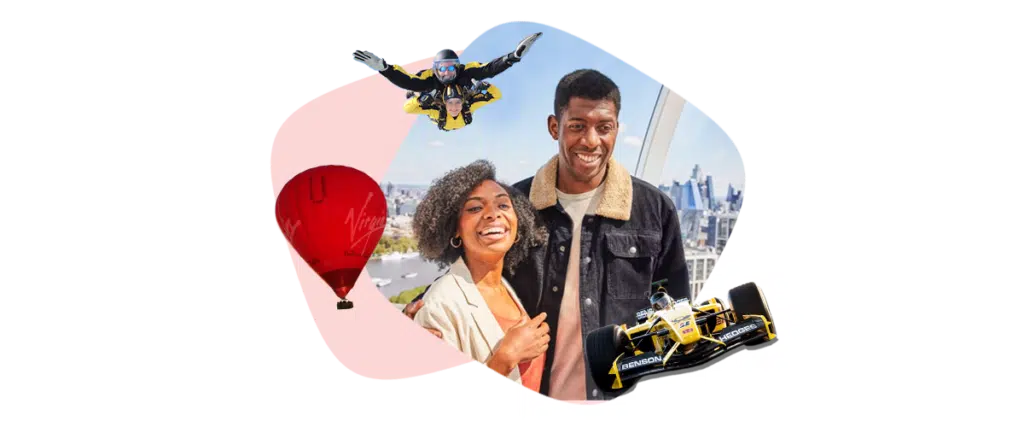
Instead of generic rewards, 2026 benefits schemes focus on choice and memorability. Experiential gift cards and multi-choice gift cards allow employees to select something that genuinely excites them, whether that’s travel, dining, adventure or family days out.
Recognition that feels personal reinforces emotional loyalty which is something salary increases alone can’t always achieve.
4. Learning and development that’s tailored and structured
Employees increasingly expect their employer to invest in their future. By 2026, learning and development is no longer optional and generic training won’t cut it. LinkedIn’s workplace learning report 2025 indicated that only 36% of businesses fall into the career development champions category, which shows a great opportunity to step ahead of the rest.
A strong Employee Benefits Scheme includes:
- Personalized learning pathways aligned to career goals
- A mix of technical, leadership and wellbeing-focused development
- Clear progression frameworks so employees can see what’s next
When people feel supported in their growth, engagement and retention naturally follow.
5. Enhanced leave policies that reflect real life
Annual leave is evolving beyond a fixed entitlement. In 2026, leading employers are expanding their policies to reflect how people actually live.
This can include:
- Enhanced parental leave for all parents
- Bereavement leave that goes beyond minimum requirements
- Menopause and fertility-related leave
- Mental health days that can be taken proactively
These policies signal trust, empathy and a genuine commitment to employee wellbeing.
6. Inclusive reproductive health benefits
Inclusive benefits around reproductive health are becoming increasingly important, particularly for attracting and retaining younger talent.
This may include support for:
- Fertility treatment and IVF
- Pregnancy loss and miscarriage
- Adoption and surrogacy
- Menopause support
An inclusive Employee Benefits Scheme ensures no employee feels overlooked during deeply personal life experiences.
7. Mentorship and connection programs
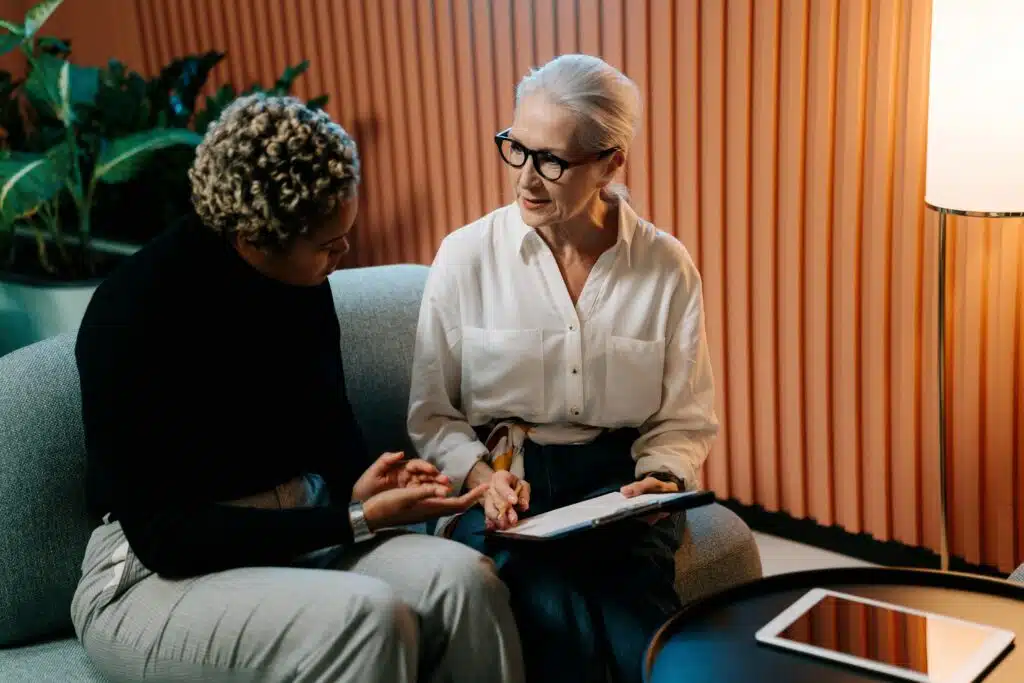
In a world of hybrid and remote working, connection matters more than ever. Mentorship programs are growing in popularity as a benefit that supports development, inclusion and engagement.
By pairing employees across teams, generations or backgrounds, businesses can build stronger cultures while supporting career growth and knowledge sharing.
8. Life-stage-centric benefits that inspire
One of the biggest shifts we’re seeing is towards life-stage-centric benefits, particularly for younger employees who value experiences over material rewards.
Travel, days out and memorable experiences are increasingly being used as incentives, recognition tools and benefits. These rewards create lasting memories and help employees feel truly valued, whether they’re early in their career or celebrating a major milestone.
Don’t forget communication: making benefits visible
Even the best Employee Benefits Scheme will fall flat if employees don’t understand what’s available to them. Clear, ongoing communication is essential. By 2026, effective benefits communication should:
- Be simple, regular and multi-channel
- Highlight real stories and examples
- Be timed around key life moments and calendar events
When employees understand and engage with their benefits, perceived value increases significantly without necessarily increasing spend.
Building your Employee Benefits Scheme for 2026
Designing an Employee Benefits Scheme for 2026 doesn’t mean you have to chase every trend and follow all these tips. It’s about understanding your people, offering choice, and creating meaningful moments that support employees both in and out of work.
At Virgin Incentives, we help businesses bring their benefits, reward and recognition strategies to life through flexible experiences and gift cards that employees genuinely love. Whether you’re enhancing work anniversary awards, boosting engagement or refreshing your overall benefits approach, experiential rewards can play a powerful role.
If you’re ready to future-proof your Employee Benefits Scheme and create something your employees will remember, explore how Virgin Incentives can support your strategy today. Get in touch with a friendly team below: