
Supporting employee wellbeing has never been more important. Yet when it comes to understanding how to support employees with depression, many managers worry about saying the wrong thing, overstepping boundaries or simply not knowing where to start.
Depression is one of the most common mental health conditions in the UK, affecting people from all walks of life. It can impact concentration, motivation, energy levels and confidence, making work feel significantly more challenging. While employers aren’t expected to be mental health professionals, they do play an important role in creating a workplace where employees feel supported, understood and able to access the help they need.
If you’re wondering how to support employees with depression, here are some practical steps that can make a genuine difference.
Recognise the Signs Without Making Assumptions
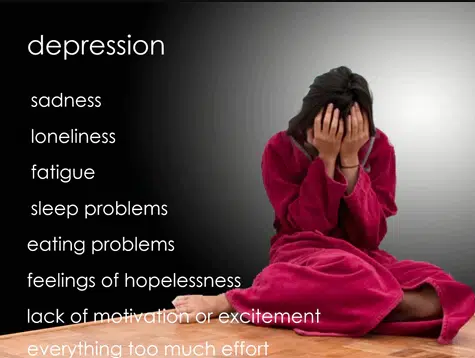
Depression doesn’t look the same for everyone. Some employees may become withdrawn and quieter than usual, while others may appear irritable, distracted or less engaged. Equally, many people become highly skilled at masking how they’re feeling and may show no obvious signs at all. You might notice changes in attendance, productivity, communication or confidence. Around the world, an estimated 12 billion working days are lost every year due to depression.
The key is not to diagnose or speculate. Instead, focus on any noticeable changes in behaviour or performance and approach conversations with curiosity rather than judgement.
For example, instead of saying:
“You seem depressed.”
Try:
“I’ve noticed you don’t seem yourself lately. How are you doing?”
Creating opportunities for open and supportive conversations is often the first step towards helping someone access support.
Create a Safe Environment for Conversations
One of the biggest barriers to seeking help is fear of stigma. Employees may worry that speaking openly about their mental health could affect how they’re perceived by colleagues or impact future career opportunities. That’s why psychological safety is so important.
Managers should make it clear that conversations about wellbeing are welcomed and treated confidentially. Regular one-to-one check-ins can help create a culture where discussions about mental health feel normal rather than exceptional.
Remember, you don’t need to have all the answers. Sometimes simply listening without judgement can have a powerful impact.
Focus on Support, Not Solutions
When considering how to support employees with depression, it’s natural to want to solve the problem immediately. However, depression is a medical condition and often requires professional support.
Instead of trying to fix things, focus on understanding what support might help in the workplace. You could ask:
- Is there anything making work particularly difficult at the moment?
- Are there adjustments that would help?
- How would you like us to support you?
- Is there anything you’d like me to be aware of?
Giving employees a voice in shaping their own support can help them feel more in control during what may be a challenging time.

Consider Reasonable Workplace Adjustments
Small changes can often make a significant difference. Depending on the individual’s needs, workplace adjustments could include:
- More flexible working hours
- Temporary changes to workload or deadlines
- Adjusted performance expectations during recovery
- Additional breaks throughout the day
- Hybrid or remote working options
- Regular wellbeing check-ins
- Encouraging employees to take annual leave
The goal isn’t to lower standards permanently. It’s about recognising that employees may need temporary support to help them perform at their best. Every situation will be different, so flexibility and open communication are essential.
Encourage Access to Professional Support
Managers should never feel responsible for acting as therapists. Instead, they should be aware of the support available within their company and signpost employees appropriately. This could include:
- Employee Assistance Programs (EAPs) and mental health programs
- Occupational health services
- Mental health first aiders
- Wellbeing resources and platforms
- GP and NHS mental health services
Many employees simply aren’t aware of the resources available to them. A gentle reminder of where they can access support may encourage them to take the next step.

Train Managers to Support Mental Health
Managers are often the first people to notice when an employee is struggling, yet many feel underprepared to have conversations about mental health. Plus 19% of employees don’t feel like they can speak to their managers about their feelings of depression according to Mind. Providing training can help managers:
- Recognise signs of poor mental health
- Approach sensitive conversations confidently
- Understand their responsibilities
- Signpost employees to appropriate support
- Create more inclusive and supportive teams
Investing in manager capability is one of the most effective ways your business can strengthen their overall wellbeing strategy.
Don’t Forget the Power of Recognition
When someone is experiencing depression, feelings of low self-worth and self-doubt can become amplified. While recognition is not a treatment for depression, feeling valued and appreciated at work can contribute positively to an employee’s overall experience.
Simple gestures such as acknowledging contributions, celebrating achievements and showing appreciation with memorable rewards can help employees feel seen and connected. Creating a culture where recognition happens regularly benefits everyone, not just those experiencing mental health challenges.

Build a Workplace Culture That Supports Wellbeing
Ultimately, understanding how to support employees with depression isn’t about responding only when someone is struggling. It’s about creating a workplace culture that supports mental wellbeing every day. Companies that make wellbeing a priority tend to focus on:
- Open communication
- Flexible working practices
- Regular recognition
- Manager training
- Access to mental health support
- Inclusive and supportive leadership
When wellbeing becomes part of everyday culture, employees are more likely to seek help early and feel supported throughout their journey.
Final Thoughts
Knowing how to support employees with depression can feel daunting, but it doesn’t require expert knowledge or perfect answers.
The most important things employers can offer are empathy, understanding and access to the right support. By creating psychologically safe workplaces, training managers effectively and building cultures where people feel valued, businesses can make a meaningful difference to employee wellbeing. Interested in how we can support wellbeing programs with incredible rewards? Have a chat to our team below: