You could offer the best benefits package in the world, but if half your team doesn’t know what’s available, is it really doing its job? Good employee benefits communication is just as important as the benefits themselves. In fact, the CIPD highlights effectively communicating what’s on offer as an important part of helping organisations maximise the impact of their employee benefits investment. Whether it’s wellbeing support, discounts, recognition schemes, experience rewards or an extra day off for their birthday, employees need to know what they have access to and, importantly, why it’s worth using.
The trouble is, benefits can easily fade into the background. They might get a mention during onboarding, appear somewhere on the company intranet and then… not much else.
For HR and People teams, that means there’s a real opportunity to rethink how benefits and rewards are communicated. Rather than treating it as a one-off announcement, make it an ongoing conversation. Here are eight ways to do just that:
1. Start talking about benefits from day one
Starting a new job comes with a lot of information. New starters are learning names, systems, processes and passwords, all while trying to remember where the good coffee is kept. It’s hardly surprising if the benefits presentation they saw on day one doesn’t stick.
Introduce your rewards and benefits during onboarding, but don’t stop there. Consider following up after 30, 60 or 90 days with a reminder of what’s available and, where appropriate, instructions for accessing it. You could even create a simple new-starter benefits checklist covering things such as:
- Where employees can find their benefits
- How to access or claim them
- Any important deadlines or eligibility criteria
- Who to contact with questions
- Rewards or recognition schemes they can participate in
It makes your offering easier to understand while showing new employees early on that you’re invested in their experience.
2. Give everything one easy-to-find home
Think about how easy it would be for one of your employees to answer this question right now:
“What benefits do I actually get?”
Would they know where to look?
If the answer involves searching through old emails, digging around the intranet or asking HR, there’s room for improvement. Create one central location where employees can see the rewards and benefits available to them. This could be your HR platform, employee app, intranet or a dedicated benefits portal.
Keep the language simple and organize benefits into useful categories such as wellbeing, financial, lifestyle, learning and development, recognition and rewards. And don’t just explain what each benefit is. Tell employees how to use it. A simple button saying “Claim your benefit” or “Find out how to access this” can be much more useful than three paragraphs of policy wording.
3. Don’t rely on one communication channel
Sent one company-wide email about your benefits package in January? Job done, right?
Probably not.
People consume information differently and employees already receive a huge amount of workplace communication. An email can easily disappear underneath meeting invites, project updates and the dreaded Monday morning inbox. Mercer recommends a multi-channel approach to employee benefits communication, with messages that are clear, relevant, timely and easy for employees to absorb.
Effective employee benefits communication uses a mixture of channels. Depending on your workplace, that could include email, Teams or Slack, your intranet, employee apps, office screens, newsletters, team meetings and even physical posters or desk drops.
You don’t need to bombard people everywhere at once. Instead, think about where your employees already spend their time and make your benefits visible there. The aim is familiarity. Someone might ignore the first message, notice the second and finally take action when they see the benefit mentioned again at exactly the right moment.

4. Communicate benefits when they’re most relevant
Timing can make a huge difference. Instead of repeatedly sending employees a long list of everything available, highlight individual benefits at moments when they’re particularly useful.
If you offer wellbeing support, for example, you might give it extra visibility around particularly busy periods. Learning and development opportunities could be promoted alongside performance conversations. Employee discounts might get additional attention ahead of Christmas, while recognition schemes could be highlighted around Employee Appreciation Day.
The same applies on an individual level. Work anniversaries, birthdays, promotions, new-parent milestones and other moments can all provide natural opportunities to remind employees about relevant rewards and support. Creating an annual benefits communication calendar can help your People team plan these moments rather than relying on ad-hoc reminders throughout the year.
5. Sell the benefit, not the policy
Benefits communications don’t have to read like terms and conditions. Imagine your company gives employees access to discounted experiences. Which message is more likely to get someone’s attention?
“Employees are eligible for discounts through our benefits platform.”
Or:
“Fancy saving on your next weekend away? Don’t forget you can access exclusive employee discounts through your benefits hub.”
They’re communicating essentially the same thing, but one gives the employee a reason to care. Think about the question employees will naturally ask: “What’s in it for me?”
Translate benefits into real-life outcomes. Instead of simply listing “wellbeing allowance”, explain what employees could use it for. Instead of “employee recognition program”, show how colleagues can recognize someone who’s helped them out. Your employee benefits communication should make the value immediately obvious.
6. Get managers involved
HR shouldn’t have to do all the talking. Managers can be one of your most useful communication channels because they’re already having regular conversations with their teams. This isn’t just about giving managers another HR message to pass on. The CIPD highlights the importance of considering the skills line managers need to communicate effectively about the rewards available to employees.
Give managers the information and tools they need to signpost relevant benefits. That could be a monthly benefits update, a short manager toolkit, talking points for team meetings or reminders of what’s available.
For example, if someone tells their manager they’re feeling overwhelmed, the manager should know what wellbeing resources they can point them towards. If somebody has delivered fantastic work, the manager should know how your employee recognition or reward scheme works.
You could also ask managers to spend five minutes during a team meeting periodically highlighting a lesser-known benefit. The more benefits become part of everyday workplace conversations, the less they feel like something that exists solely on an HR portal.
7. Make rewards visible – and worth talking about
Recognition can have a ripple effect. When someone receives a reward for a job well done, celebrating that moment, where appropriate, doesn’t just recognize the recipient. It reminds everyone else that your recognition program exists. Internal newsletters, Teams or Slack channels, company meetings and recognition walls can all help make employee appreciation more visible.
You can also make the reward itself something employees are excited to receive. That’s where choice can be particularly powerful. Rather than assuming everyone wants the same thing, flexible rewards allow employees to choose something that’s meaningful to them.
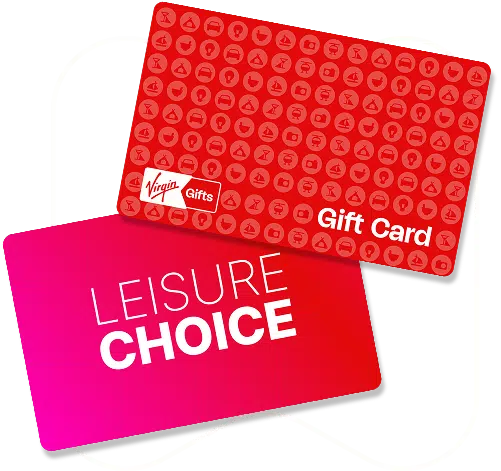
At Virgin Incentives, for example, businesses can use Virgin Experience Days gift cards or Virgin Gifts eGift Cards to give employees access to thousands of experiences, from relaxing hotel breaks and dining out to supercar drives, animal encounters and days out. It means one employee could choose a relaxing spa experience while another opts for something with considerably more horsepower.
The reward is personal to them, while the employer doesn’t have to guess what everyone likes. And when employees come back talking about the experience they chose? Your reward program gets some rather useful word-of-mouth promotion too.
8. Measure what’s actually working
Finally, don’t assume that because you’ve communicated something, employees have understood it.
Ask them. A quick employee pulse survey can reveal a lot. You could ask:
“Do you know where to find information about your employee benefits?”
“Which of our benefits are you aware of?”
“How would you prefer us to communicate benefits and rewards?”
Then compare awareness with actual uptake. If 90% of employees know about a particular benefit but very few use it, perhaps communication isn’t the problem. There could be another barrier, such as a complicated claims process or a benefit that simply isn’t relevant enough.
On the other hand, a fantastic benefit with low awareness could be crying out for better promotion. Look at metrics such as email engagement, portal visits, benefit registrations, reward redemptions and employee feedback to understand what’s resonating.
Most importantly, use what you learn. Employee benefits communication should evolve alongside your workforce rather than remaining unchanged year after year.
Keep the conversation going
The biggest mistake employers can make is assuming employees will remember every benefit they’ve ever been told about.
They won’t, and that’s completely normal.
Your employees have jobs to do, deadlines to hit and plenty of other information competing for their attention. So make rewards and benefits easy to find, easy to understand and visible throughout the year. Communicate them at relevant moments. Show employees how they can actually use them. Give managers the confidence to talk about them. And don’t be afraid to remind people more than once. Because a brilliant employee reward or benefit that nobody knows about is a missed opportunity.
At Virgin Incentives, we help businesses make employee reward and recognition a little more memorable. From individual experiences to flexible gift cards offering thousands of experiences to choose from, our rewards can help you celebrate the people who make your business what it is. Want to give your employees something they’ll genuinely look forward to using? Get in touch with our friendly team below to find out more: