If your business is serious about building employee advocacy, you’re already thinking in the right direction. In today’s workplaces, brands are no longer defined solely by what they say about themselves but by what their people say about them. Whether you’re in HR, marketing, or leadership, building employee advocacy has become one of the most powerful (and often underused) strategies for strengthening brand reputation, attracting talent, and driving engagement.
So how do you actually make it work, and not just in theory? Let’s dive in.
What is Employee Advocacy and Why Does It Matter?
At its core, employee advocacy is when your employees actively promote and support your brand whether that’s through social media, word of mouth, or everyday interactions.
We’re not talking about scripted posts or forced messaging. It’s about employees genuinely wanting to share their experiences because they feel proud to be part of your business. When an employee shares a piece of content, the click-through rate (CTR) is twice as high as when the business shares it, according to an analysis of LinkedIn network activity.
Why it matters more than ever:
- Trust is shifting: People trust individuals more than brands. An employee’s voice carries far more authenticity than a corporate channel.
- Wider reach: Your employees collectively have a much larger network than your brand channels alone.
- Talent attraction: Candidates increasingly look at employee content to understand what it’s really like to work somewhere.
- Stronger engagement: Employees who advocate for your business are typically more engaged and invested.
In short, building employee advocacy is a competitive advantage.

How Employee Advocacy Drives Real Business Success
When done well, employee advocacy delivers measurable results across multiple areas of your business.
Brand awareness & credibility
When employees share their experiences, it makes your brand more personable. A behind-the-scenes post or a personal story resonates far more than polished corporate messaging.
Recruitment & retention
Candidates trust employees. Seeing real people talk positively about your workplace can significantly influence hiring decisions and help retain your current team. It has been found that businesses with a good employer brand tend to see a 28% decrease in employee turnover.
Customer trust & loyalty
Customers are more likely to trust businesses that feel transparent and authentic. Employee advocacy helps create that trust naturally.
Campaign amplification
Marketing campaigns gain extra traction when employees share them, but only if it feels genuine and not forced.

Practical Tips for Building Employee Advocacy
Now for the part that really matters: how to make it happen.
1. Start with Culture, Always!
You can’t fake advocacy.
If your employee experience isn’t in a good place, no strategy or tool will fix that. Employees won’t advocate for something they don’t believe in. Ask yourself:
- Are employees genuinely happy and supported?
- Do they feel appreciated and valued?
- Would they recommend your company to others?
If the answer isn’t a confident “yes,” start there first.
2. Fix What’s Broken
Before encouraging employees to share, make sure there’s something worth sharing. Common issues to address:
- Poor internal communication
- Lack of recognition or reward
- Limited career development opportunities
Improving these areas not only boosts advocacy but it also improves overall business performance.
3. Create Share-Worthy Content (Not Corporate Jargon)
Employees won’t share content that feels overly polished or irrelevant. Instead, focus on:
- Real stories from employees
- Behind-the-scenes moments
- Celebrations, milestones, and achievements
- Meaningful initiatives (e.g. sustainability, community work)
If you wouldn’t personally share it, your employees probably won’t either.
4. Enable Advocacy, Don’t Orchestrate It
One of the biggest mistakes companies make when building employee advocacy is trying to control it too much.
Avoid:
- Scripted posts
- Mandatory sharing
- Overly strict guidelines
Instead:
- Provide inspiration, not instructions
- Offer optional content employees can use if they want
- Encourage individuality and personal voice
Authenticity always wins.
5. Listen to Employee Feedback
If you want employees to advocate for your brand, involve them in shaping it.
- Run regular surveys
- Host open forums or feedback sessions
- Act on what you hear
When employees feel heard, they’re far more likely to become advocates.
6. Acknowledge and Reward Advocacy
Advocacy shouldn’t go unnoticed. Simple ways to reinforce it:
- Highlight employee posts internally
- Celebrate advocates in team meetings
- Offer meaningful rewards or experiences as a thank you
This is where experiential rewards can be particularly powerful, giving employees something memorable to talk about and share.
7. Track What Success Looks Like
Like any strategy, building employee advocacy needs measurement. Key things to track:
- Engagement on employee posts
- Reach and impressions
- Employee participation rates
- Impact on recruitment or brand perception
This helps you understand what’s working and where to improve.

What Should Employees Actually Share?
A common question we hear is: “What should employees post?” The answer is simple, content that feels real.
Great examples of authentic employee content:
- A day in the life at work
- Personal career milestones
- Team celebrations or events
- Learning and development experiences
- Volunteering or community initiatives
- Honest reflections on projects or challenges
What to avoid:
- Overly scripted or generic messaging
- Posts that feel like adverts
- Content that doesn’t reflect the employee’s real voice
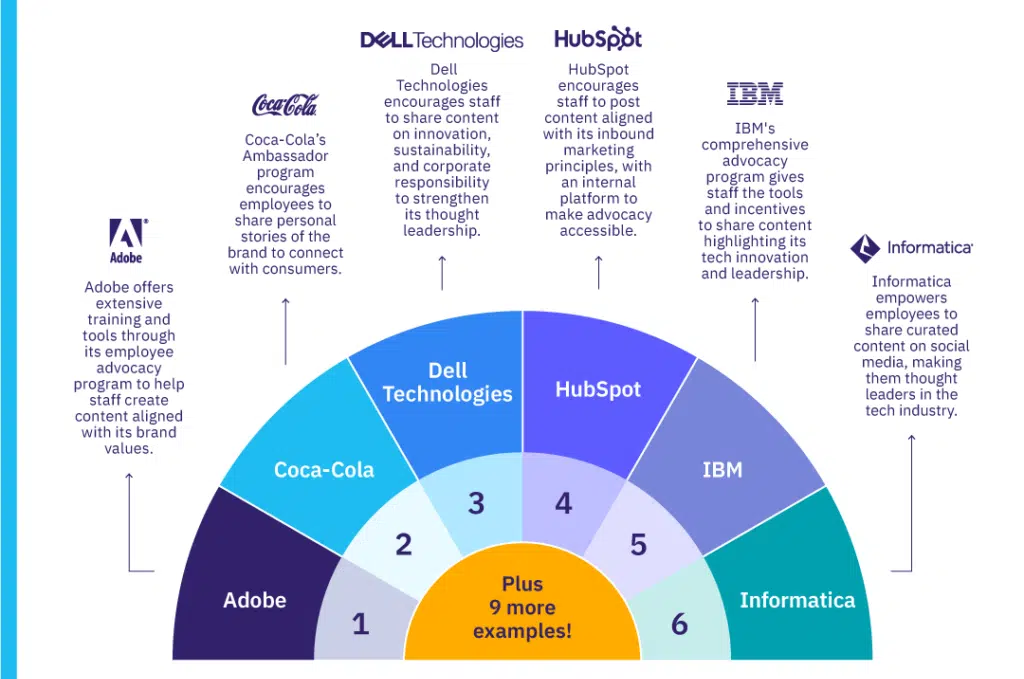
Remember: the best advocacy doesn’t feel like advocacy at all. Below are a few successful examples of employee advocacy in big companies as shared by AIHR.
Why Authenticity is Everything
If there’s one takeaway from this blog, it’s this:
You can’t force employee advocacy, you can only create the conditions for it.
When employees feel valued, engaged, and inspired, they naturally want to share their experiences. That’s when advocacy becomes powerful and sustainable.
Final Thoughts
Building employee advocacy in 2026 is about much more than social media posts. It’s about culture, trust, and creating meaningful experiences that employees genuinely want to talk about.
For HR and marketing teams, the opportunity is huge:
- Stronger brand credibility
- More engaged employees
- Better talent attraction
- Increased campaign reach
By focusing on authenticity, listening to your people, and investing in the employee experience, you’ll be well on your way to building employee advocacy that delivers real results. And if you’re looking for ways to reward and inspire your employees along the way, experiences can be a powerful part of that story. Get in touch with our friendly team below to find out how we can help.